
The 1814 Flood That Partly Swept Away Deposit’s First Mill Dam
It's easy to look at a quiet creek and forget how quickly water can turn destructive.
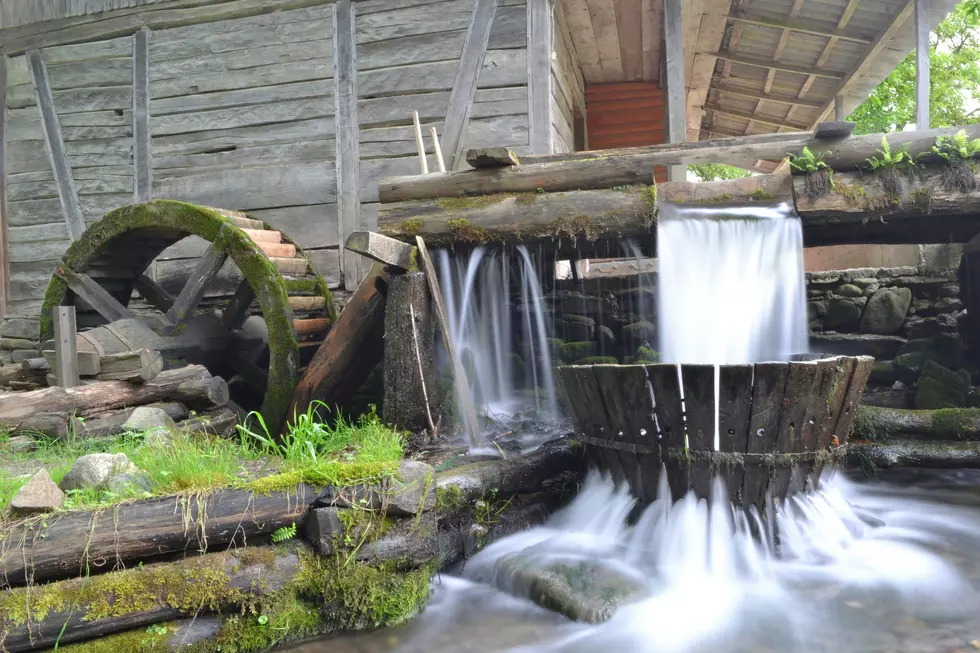
More than 200 years ago, according to a Broome County history digitized by the Library of Congress, a flood in Deposit partially swept away the dam serving the mill of Captain Nathan Dean, one of the village's earliest settlers.
Deposit, NY Settlement History: Captain Nathan Dean's Canoe Trip in 1791
Dean was from Taunton, Massachusetts. According to the Village of Deposit's history page, he moved to Kortright in Delaware County in 1790 and stayed there until June 1791. With no roads to travel, he lashed two canoes together, loaded his family and belongings aboard, and floated down the river to Cook-house, an early name for the Deposit area. Cook-house comes from Koo Koose, the Native name that the village history translates as the place of owls. Dean found an empty log house and lived there until he could build a home on his farm.
The farm covered two 200-acre lots on the part of today's Deposit that lies in Broome County, where Dean was the first settler. Streets were later laid out there, and the area became known as Deansville.
Local histories credit Dean with building a sawmill in the settlement's earliest years. In a small frontier community, a sawmill meant lumber for houses and barns.
Deposit, NY Flood History: The 1814 Dam Damage
The Broome County history says that in 1814, floodwaters partially swept away the dam that served Dean's mill. Available records don't describe the water level or the full extent of the damage, so it would be a stretch to say the mill itself was lost. A water-powered mill depended on its dam, though, so even partial damage would have disrupted the work it did for the community.
Explore Deposit’s Dean Family History
If you’d like to learn more about the family behind the mill, the Deposit Historical Society at 145 Second Street has photographs of the Dean family, an original map of Deposit and family stories. The Deans have also been featured in past presentations of the Society’s annual Voices from the Past program.
This year’s program, on October 17 and 18, will share stories of 10 Deposit residents who fought in or lived through the Revolutionary War. The Society lists Saturday’s program at the Revolutionary War Cemetery and Sunday’s at the museum meeting room, both at 7 p.m. You can find details on the Deposit Historical Society’s event page.
Deposit, NY History: How the Delaware River Gave the Village Its Name
Oquaga Creek flows into the Delaware at Deposit, according to an 1872 gazetteer of Broome and Tioga counties. That puts the village beside moving water on two sides.
The name comes from the lumber trade. According to the village history, settlers hauled pine lumber in on sleighs during winter, some of it from as far away as the Susquehanna, and left it on the riverbanks to wait for spring high water. They then built the logs into rafts, some as long as 200 feet, and floated them to Philadelphia's market. For many early settlers, that was the only cash income they saw all year.
I like that the village is named for something so ordinary: lumber waiting on a riverbank for the water to rise.
9 Peaceful Places in Upstate New York to Truly Unplug
Gallery Credit: Traci Taylor
Famous Graves in Upstate New York. Heave You Heard of These Famous People?
Gallery Credit: Chuck D'Imperio